
The global affordable housing shortage has reached critical levels in 2024, with demand outpacing supply in nearly every major economy. As housing costs consume ever-larger portions of household incomes, governments, developers, and communities are scrambling for innovative solutions. This comprehensive analysis examines the root causes of today’s housing affordability crisis, explores groundbreaking approaches being implemented worldwide, and provides actionable strategies for stakeholders across the housing spectrum.
Understanding the Affordable Housing Shortage
A. Key Drivers of the Crisis
-
Wage-Stagnation vs. Soaring Prices
-
Home prices increasing 3x faster than wages since 2000
-
Rent-to-income ratios exceeding 30% in 80% of major cities
-
-
Supply Chain Disruptions
-
Construction material costs up 38% since 2020
-
Skilled labor shortages delaying projects
-
-
Zoning & Regulatory Barriers
-
Outdated single-family zoning laws
-
Lengthy approval processes adding costs
-
-
Investor Purchases
-
Institutional buyers acquiring 25% of starter homes
-
Short-term rental conversions reducing inventory
-
B. Global Hotspots for Affordable Housing Needs
-
North America
-
Toronto: 12-year waitlist for social housing
-
Los Angeles: 60% of renters cost-burdened
-
New York: 1.2 million affordable units needed
-
-
Europe
-
London: Average home costs 14x median income
-
Berlin: Rent caps triggering supply shortages
-
Paris: 400,000 housing deficit
-
-
Asia-Pacific
-
Sydney: 90% of low-income renters stressed
-
Hong Kong: World’s least affordable market
-
Mumbai: 60% live in informal settlements
-
-
Emerging Economies
-
Lagos: 17 million housing unit deficit
-
São Paulo: 1.5 million in favelas
-
Cairo: 500,000 new units needed annually
-
C. Innovative Solutions Gaining Traction
-
Construction Breakthroughs
-
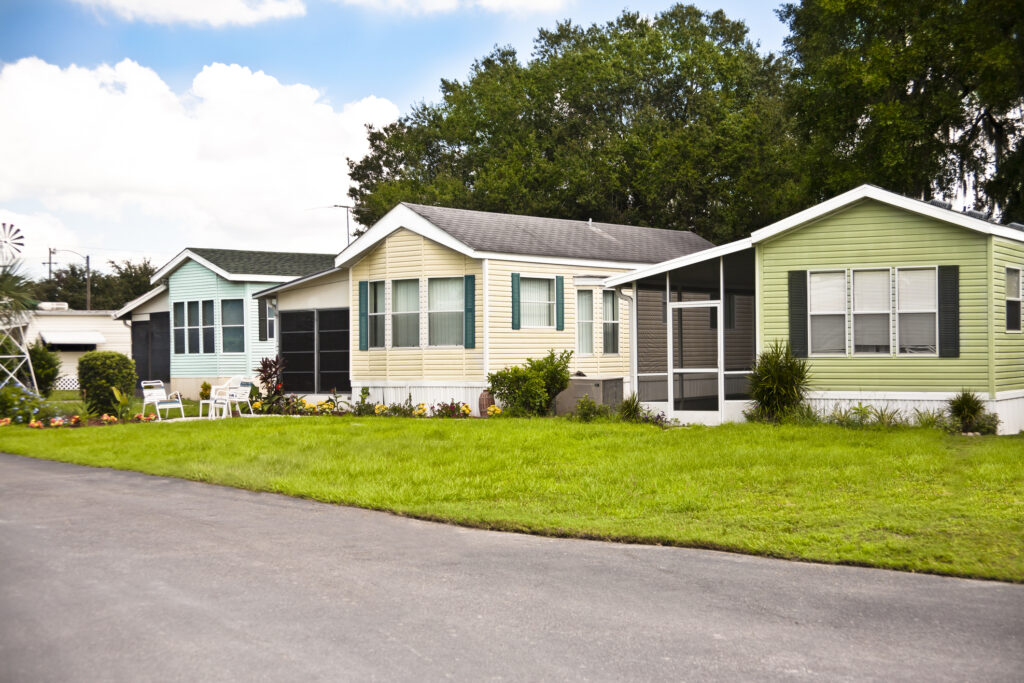
Modular/prefab homes reducing costs by 35%
-
3D-printed houses built in 48 hours
-
Adaptive reuse of vacant offices/retail
-
-
Policy Innovations
-
Inclusionary zoning mandates
-
Land value taxation reforms
-
Community land trusts
-
-
Financial Models
-
Social impact investing funds
-
Rent-to-own programs
-
Micro-mortgage products
-
-
Technology Applications
-
AI-optimized urban planning
-
Blockchain for affordable housing registries
-
Proptech matching programs
-
D. Case Studies: What’s Working
-
Vienna’s Social Housing Model
-
60% of residents in subsidized housing
-
Cost-controlled through public land ownership
-
-
Singapore’s HDB System
-
80% homeownership rate
-
Mandatory savings program (CPF)
-
-
Portland’s Missing Middle Approach
-
Legalized duplexes/triplexes citywide
-
40% increase in middle-density housing
-
-
Mexico’s Patrimonio Hoy Program
-
Micro-financed self-build communities
-
750,000 homes created since 1998
-
E. Actionable Strategies for Stakeholders
For Policymakers:
-
Streamline permitting processes
-
Offer density bonuses for affordable units
-
Implement vacant property taxes
For Developers:
-
Partner with modular construction firms
-
Pursue mixed-income projects
-
Leverage green financing incentives
For Communities:
-
Organize community land trusts
-
Advocate for zoning reforms
-
Support co-housing initiatives
For Individuals:
-
Explore shared equity programs
-
Consider location-efficient mortgages
-
Participate in housing advocacy
Future Outlook & Emerging Trends
-
Climate-Resilient Affordable Housing
-
Net-zero energy communities
-
Flood-adaptive designs
-
-
Intergenerational Living Solutions
-
Co-housing for seniors/families
-
Accessory dwelling unit (ADU) growth
-
-
Technology Democratization
-
Open-source housing designs
-
Crowdfunded development platforms
-
-
New Ownership Models
-
Fractional equity arrangements
-
Tokenized real estate assets
-
Conclusion
The affordable housing crisis represents one of the most pressing challenges of our time, but also one of the greatest opportunities for innovation and social impact. By learning from global best practices, embracing technological advancements, and fostering collaboration across sectors, communities can develop sustainable solutions that ensure housing accessibility for all income levels. The strategies outlined in this report provide a roadmap for creating more equitable housing markets while delivering solid returns for responsible investors.
Tags: affordable housing, housing crisis, urban development, social housing, modular construction, housing policy, rent control, community land trusts, proptech, inclusive cities