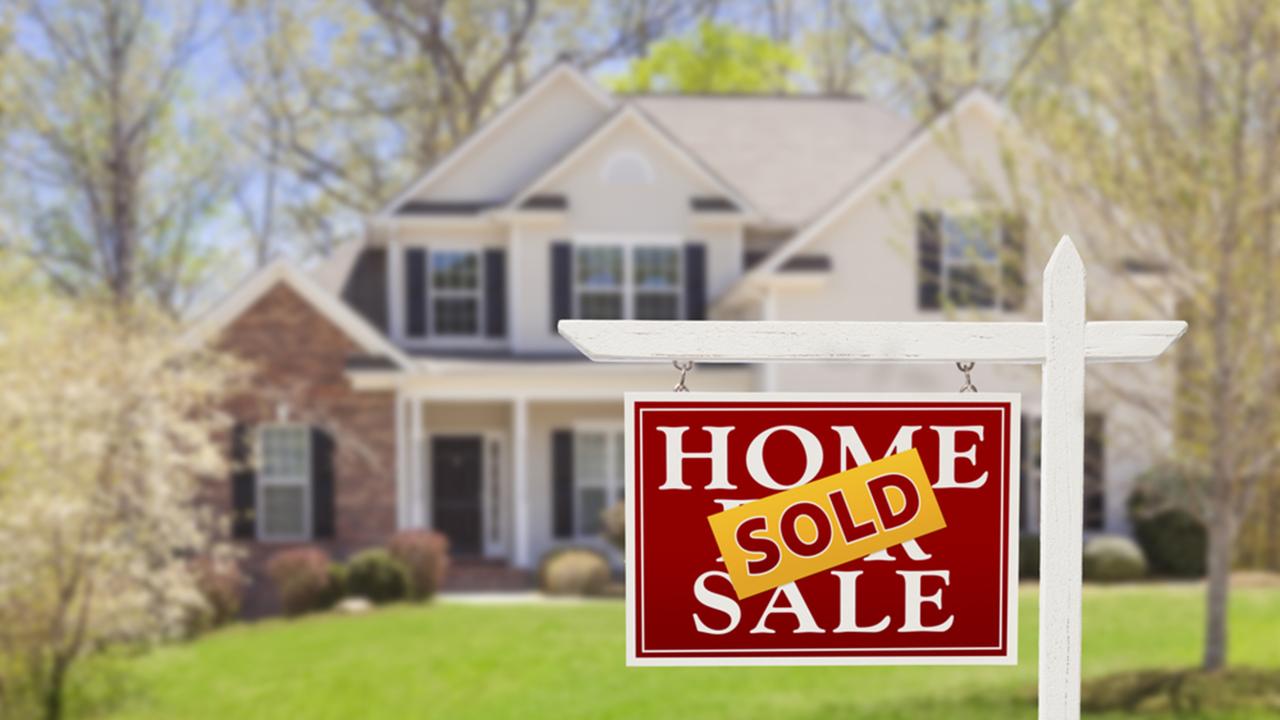
Selling a home can be a complex and often lengthy process. While the market fluctuates, certain timeless strategies can significantly accelerate your sale, maximizing your return and minimizing stress. This comprehensive guide will delve into proven techniques, from pre-listing preparations to closing the deal, all designed to help you sell your home faster and more efficiently.
The Foundation of Knowing Your Market
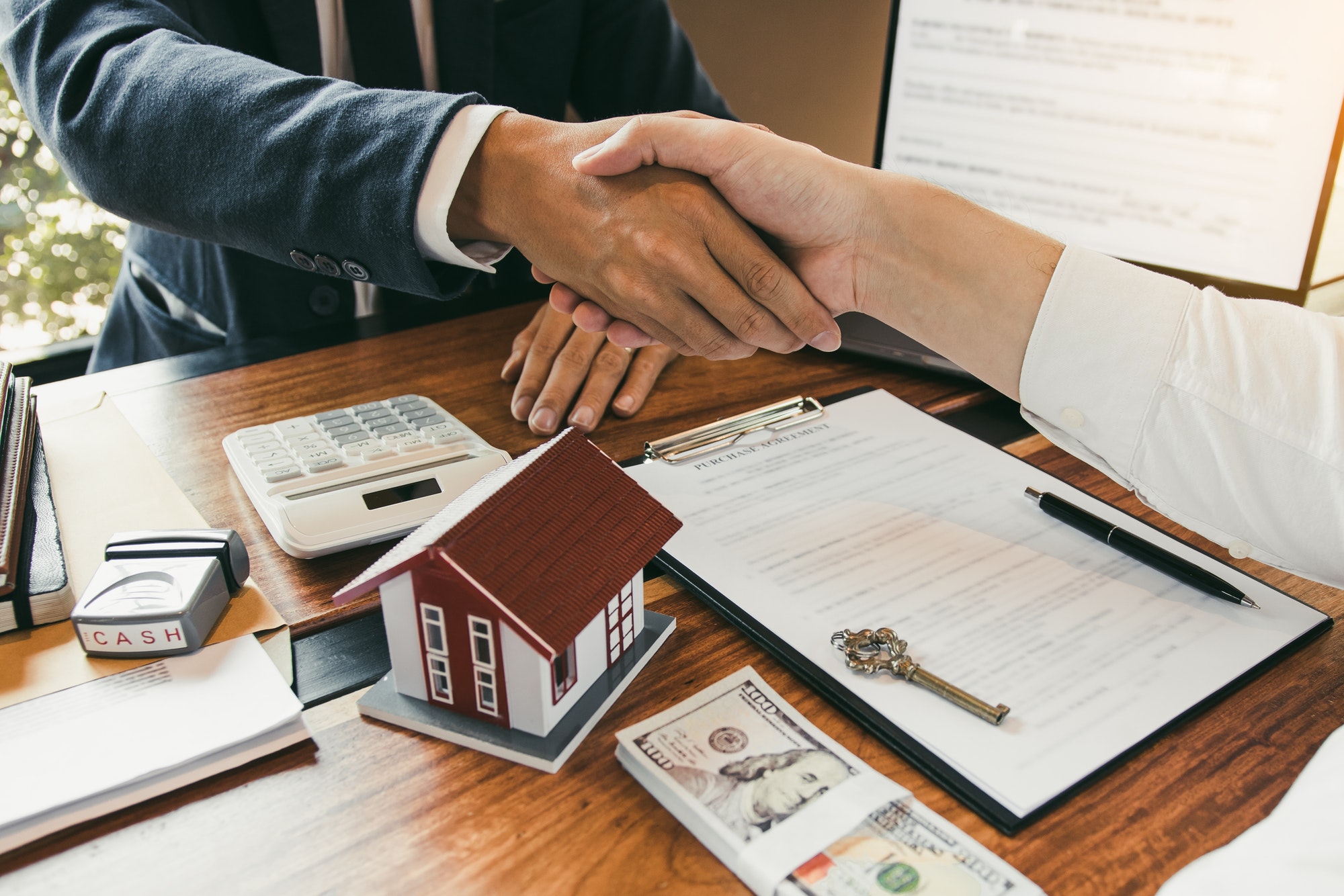
Before even thinking about putting a “For Sale” sign in your yard, it’s crucial to understand the current real estate market in your specific area. Is it a buyer’s market, a seller’s market, or balanced? This understanding will inform your pricing strategy and overall approach.
A. Research Local Comparables (Comps): Look at recently sold properties in your neighborhood that are similar in size, age, and features to yours. Online real estate platforms and your agent can provide this data. Pay close attention to the selling prices, days on market, and any concessions made by sellers. This gives you a realistic benchmark for your home’s value.
B. Analyze Market Trends: Are home prices rising or falling? How quickly are homes selling on average? Understanding these trends will help you anticipate buyer behavior and set your expectations. For instance, in a hot seller’s market, you might have more leeway with pricing, while a slower market demands a more competitive approach.
C. Consider Local Economic Factors: Local job growth, interest rates, and population shifts can all influence housing demand. A strong local economy generally leads to a more robust housing market.
D. Consult a Local Real Estate Agent: An experienced local agent possesses invaluable market knowledge. They can provide an accurate comparative market analysis (CMA), which goes beyond simple online data, incorporating their expertise in local nuances and recent off-market sales.
Maximizing Curb Appeal
The exterior of your home is the first thing potential buyers see, making curb appeal paramount. A well-maintained and inviting exterior can create a positive first impression that encourages buyers to step inside. Conversely, a neglected exterior can deter even the most interested parties.
A. Landscaping Matters: Trim bushes, mow the lawn, weed flowerbeds, and add fresh mulch. Consider planting colorful flowers to add a welcoming touch. Ensure pathways are clear and well-maintained.
B. Cleanliness is Key: Power wash your home’s exterior, including siding, brick, and driveways. Clean windows and gutters. A sparkling exterior suggests a well-cared-for home.
C. Front Door Facelift: Your front door is the focal point of your home’s exterior. Repaint it a fresh, inviting color, polish hardware, and consider adding a new doormat or a tasteful wreath.
D. Repair Visible Damage: Fix any cracked paint, broken fences, loose shingles, or damaged gutters. These small repairs demonstrate pride of ownership and prevent buyers from noticing potential issues.
E. Outdoor Lighting: Ensure all outdoor lights are working. Good lighting not only enhances safety but also highlights architectural features and creates a warm ambiance during evening showings.
F. Declutter Outdoor Spaces: Remove unnecessary items from porches, patios, and yards. Store garden tools, toys, and other personal belongings out of sight.
Creating an Irresistible Interior
Once buyers step inside, the interior must captivate them. Staging is the art of preparing your home to appeal to the broadest range of potential buyers, allowing them to envision themselves living in the space. This often means depersonalizing and decluttering to highlight the home’s features, not its current owner’s style.
A. Declutter, Declutter, Declutter: This is arguably the most critical step. Remove personal photos, knick-knacks, excessive furniture, and anything that makes the space feel cramped. Less is more when staging. Consider renting a storage unit for items you won’t need during the selling process.
B. Deep Clean Everything: A meticulously clean home signals that it has been well-maintained. Pay attention to often-overlooked areas like baseboards, light fixtures, inside cabinets, and grout. Odors are a big deterrent, so ensure your home smells fresh and neutral.
C. Depersonalize Your Space: Buyers want to imagine their own lives in your home. Remove family photos, religious items, political statements, and highly personal décor. Aim for a neutral, welcoming aesthetic.
D. Neutral Paint Colors: If your walls are brightly colored or highly personalized, consider repainting them in neutral tones like agreeable gray, off-white, or light beige. These colors make rooms appear larger and brighter and appeal to a wider audience.
E. Optimize Lighting: Open curtains and blinds to let in natural light. Ensure all light fixtures have working, bright bulbs. Good lighting makes spaces feel more open and inviting.
F. Arrange Furniture Strategically: Furniture should be arranged to make rooms feel spacious and highlight their purpose. Create clear pathways and avoid blocking windows or architectural features. If a room feels too small with your current furniture, consider removing a piece or two.
G. Fix Minor Repairs: Leaky faucets, sticky doors, chipped paint, and loose tiles are small issues that can signal larger problems to buyers. Address these minor repairs before showings.
H. Enhance Key Areas: Focus on staging the most important rooms: living room, master bedroom, and kitchen. These often have the biggest impact on buyer perception. Consider adding fresh flowers or a bowl of fruit to the kitchen counter.
I. Consider Professional Staging: For some homes, especially vacant ones or those with unique layouts, a professional stager can make a significant difference. They have the expertise and inventory to transform a space into a buyer’s dream.
Pricing Your Home Right
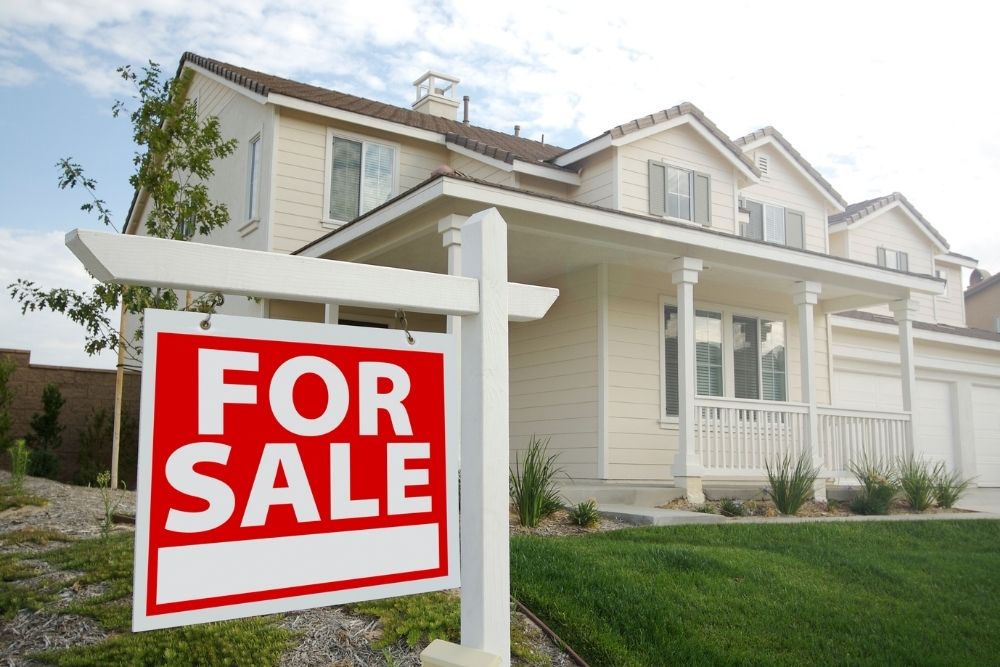
Pricing is perhaps the most critical factor in selling your home quickly. An overpriced home will sit on the market, gathering dust and eventually requiring price reductions that can make buyers wonder what’s wrong with it. An underpriced home means leaving money on the table.
A. Market Value, Not Emotional Value: It’s easy to overvalue your home due to sentimental attachment. Base your price on objective market data, not what you need for your next home or what you originally paid.
B. Comparative Market Analysis (CMA): Your real estate agent will provide a CMA, which analyzes recent sales of similar homes, current active listings, and expired listings in your area. This is the most accurate way to determine a competitive listing price.
C. Consider the “Just Right” Price: Aim for a price that is competitive but also leaves room for negotiation. Sometimes, pricing slightly below market value can create a bidding war, ultimately driving the price up.
D. Be Realistic About Upgrades: Not all upgrades yield a dollar-for-dollar return. While a renovated kitchen is appealing, you might not recoup 100% of its cost in the sale price. Understand which renovations offer the best ROI.
E. Don’t Chase the Market Down: If your home isn’t getting interest, be prepared to adjust the price. It’s better to make a realistic adjustment early on than to have your home languish on the market.
Marketing Your Home Effectively
Once your home is ready, effective marketing is essential to reach the broadest possible pool of qualified buyers.
A. High-Quality Photography: Professional photos are non-negotiable. Poor-quality, dark, or blurry photos will deter online viewers. Invest in a professional photographer who specializes in real estate.
B. Virtual Tours and Video: In today’s digital age, virtual tours (3D walkthroughs) and video tours are highly effective. They allow buyers to explore your home remotely, saving time for both parties and attracting serious inquiries.
C. Compelling Property Description: Craft a detailed, engaging description that highlights your home’s best features and benefits. Use evocative language but avoid exaggeration. Mention nearby amenities, schools, and transportation links.
D. Online Presence is Key: Ensure your listing is prominently featured on major real estate websites (Zillow, Realtor.com, etc.), your agent’s website, and across social media platforms.
E. Open Houses and Private Showings: While virtual tours are useful, in-person viewings are still crucial. Keep your home immaculate for every showing, and consider vacating during scheduled viewings to allow buyers to explore comfortably.
F. Leverage Your Agent’s Network: A good real estate agent has a network of potential buyers and other agents. They can spread the word about your property, sometimes even before it officially hits the market.
G. Targeted Advertising: Your agent might use targeted online ads to reach specific demographics of buyers who are likely to be interested in your type of home.
Negotiation and Closing
Once you start receiving offers, the negotiation process begins. This phase requires strategy, patience, and a clear understanding of your priorities.
A. Review Offers Carefully: Don’t just look at the offer price. Consider the contingencies (e.g., financing, inspection, appraisal), the buyer’s pre-approval status, and the proposed closing date. A lower offer with solid financing and fewer contingencies might be more appealing than a higher offer with numerous potential roadblocks.
B. Counter Offers Strategically: Be prepared to negotiate. Your agent will guide you on how to respond to offers, whether it’s accepting, rejecting, or counter-offering. Focus on a win-win scenario where both parties feel satisfied.
C. Home Inspection Management: Most buyers will request a home inspection. Be prepared for potential repair requests. Address reasonable concerns, but don’t feel obligated to fix every minor issue. Your agent can help you negotiate these points.
D. Appraisal Process: If the buyer is getting a mortgage, an appraisal will be conducted. The home must appraise for at least the sales price. If it appraises for less, you may need to renegotiate the price or the buyer might need to bring more cash to the table.
E. Understand Closing Costs: Both buyers and sellers have closing costs. Familiarize yourself with these expenses so there are no surprises at the closing table.
F. Prepare for Closing Day: Ensure all paperwork is in order, utilities are transferred, and the home is thoroughly cleaned and empty. A smooth closing reflects well on you as a seller.
G. Post-Closing Actions: Be prepared for potential post-closing follow-ups, though typically, once the deed is transferred, your responsibilities as a seller are complete.
Legal and Financial Considerations
Selling a home involves significant legal and financial aspects that must be handled carefully.
A. Disclosure Requirements: Laws vary by state and country, but generally, sellers are required to disclose known material defects of the property. Be honest and thorough in your disclosures to avoid future legal issues.
B. Capital Gains Tax: Depending on how long you’ve lived in the home and your profit from the sale, you might be subject to capital gains tax. Consult with a tax advisor to understand your obligations and potential exemptions.
C. Mortgage Payoff: Your current mortgage will be paid off at closing. Ensure you have all the necessary information from your lender.
D. Title Search and Insurance: A title search will be conducted to ensure there are no liens or encumbrances on the property. Title insurance protects both the buyer and the lender.
E. Legal Representation: While real estate agents handle much of the transaction, having a real estate attorney review contracts and closing documents can provide an extra layer of protection, especially for complex sales.
Maintaining Momentum Throughout the Process
Selling a home can be a marathon, not a sprint. Maintaining momentum and staying positive are crucial.
A. Be Flexible: Be prepared to adjust your schedule for showings and inspections. The more accommodating you are, the smoother the process will be.
B. Keep Your Home Show-Ready: Even after a few weeks on the market, ensure your home remains clean, clutter-free, and inviting for every potential buyer.
C. Stay Engaged with Your Agent: Communicate regularly with your real estate agent. Ask questions, provide feedback, and work together as a team.
D. Be Patient, But Proactive: While some homes sell immediately, others take time. Be patient, but also be proactive in reviewing strategies with your agent if your home isn’t generating interest.
Conclusion
Selling your home faster is not about luck; it’s about preparation, strategic pricing, effective marketing, and skilled negotiation. By implementing these expert tips, you can significantly reduce your home’s time on the market, attract serious buyers, and achieve your selling goals efficiently and profitably.