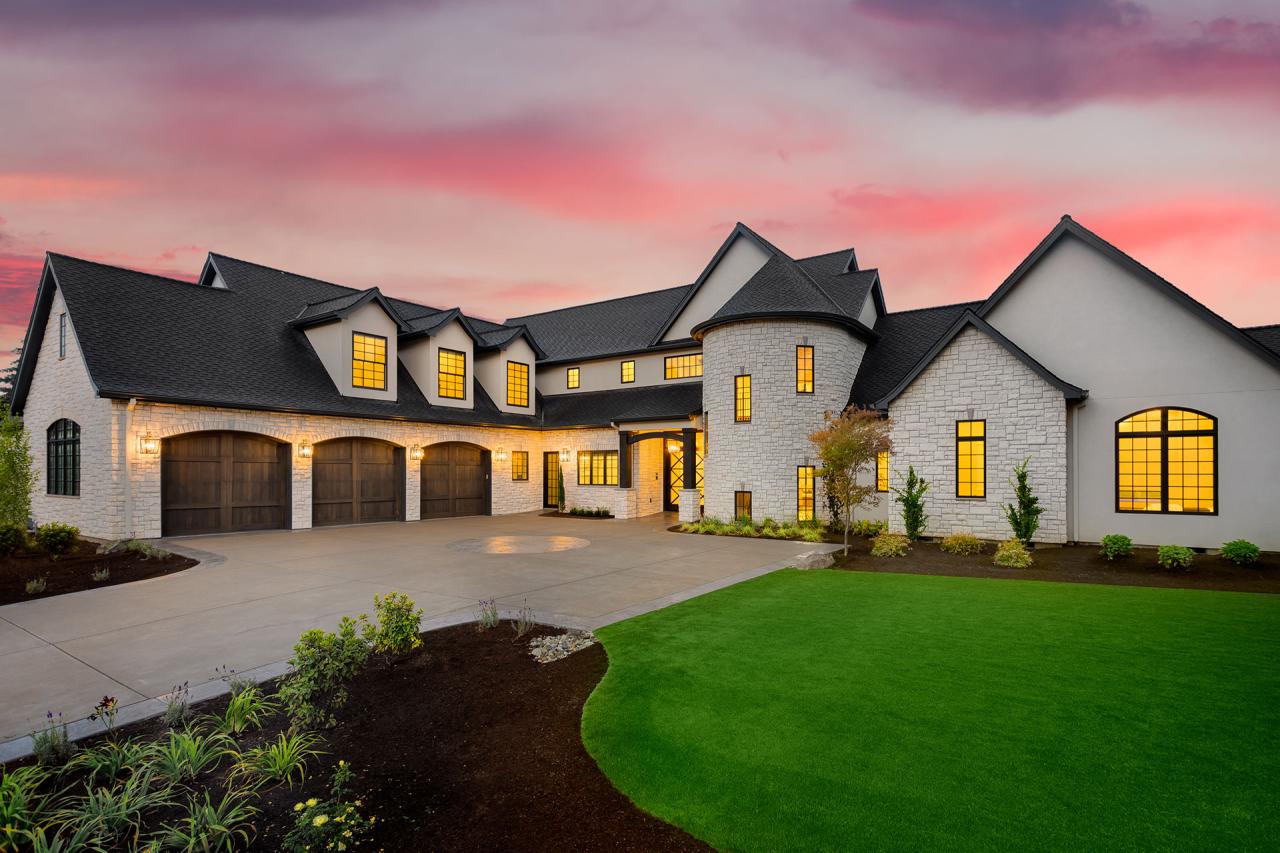
The world of luxury real estate is a distinctive realm, far removed from the mass market. It’s characterized by unparalleled craftsmanship, unique amenities, prestigious locations, and a discerning clientele. For those looking to invest, buy, or sell in this exclusive segment, understanding its unique dynamics is paramount. This deep dive into luxury real estate insights will uncover the intricate factors that drive this elite market, from the psychological nuances of high-net-worth buyers to the cutting-edge marketing strategies required to succeed. Whether you’re an aspiring investor or a seasoned professional, these strategies will illuminate how to navigate and profit from the pinnacle of property ownership.
Who is the Luxury Buyer?
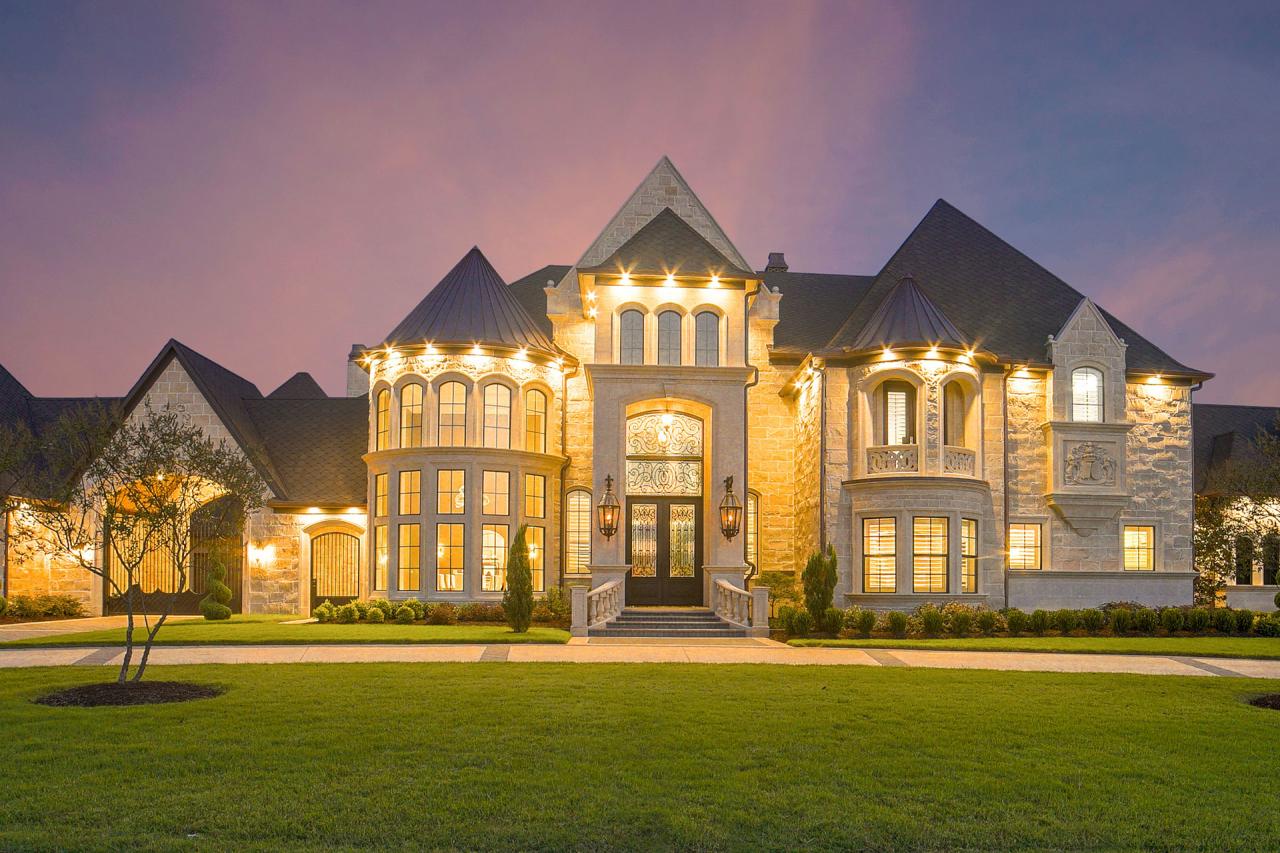
The clientele for luxury real estate isn’t simply looking for a large house; they’re seeking an experience, a lifestyle, and often, a discreet investment. Understanding their motivations and priorities is the first key to success in this market.
A. Discretion and Privacy are Paramount:
- High-net-worth individuals (HNWIs) often prioritize privacy over public display. They value confidentiality in transactions and may prefer off-market listings.
- Agents dealing in luxury must be adept at handling sensitive personal and financial information with the utmost discretion.
B. Lifestyle as the Core Offering:
- Experiential Buying: Luxury buyers are purchasing a lifestyle. This includes proximity to exclusive clubs, fine dining, private jetports, top schools, and cultural institutions.
- Amenities Focus: Homes must offer state-of-the-art amenities: gourmet kitchens, home theaters, smart home automation, expansive wellness centers (gym, spa, indoor pools), wine cellars, and multi-car garages.
- Wellness and Security: Features like advanced security systems, purified air and water systems, and spaces for meditation or yoga are increasingly sought after.
C. Time is Their Ultimate Luxury:
- Busy schedules mean luxury buyers expect efficiency. Seamless, concierge-level service from agents and professionals is crucial.
- Virtual tours, detailed property packages, and streamlined communication are highly valued.
D. Global Perspective and Investment Diversification:
- Many luxury buyers are international, viewing real estate as a global asset. They may be seeking secondary residences, investment opportunities, or a base for global travel.
- Understanding international tax laws, capital flow, and cultural nuances is vital for agents.
E. Connoisseurship and Unique Value:
- Luxury buyers appreciate rarity, bespoke features, and architectural significance. They are often knowledgeable and discerning, looking for properties that reflect their personal brand and taste.
- Uniqueness (e.g., historical significance, unparalleled views, celebrity provenance) can command a significant premium.
Defining Luxury
What truly constitutes a luxury property extends far beyond its size. It’s a blend of intrinsic qualities and perceived value.
A. Location, Location, Lifestyle:
- Exclusivity: Luxury locations are defined by scarcity, prestige, and often, stunning natural beauty or proximity to exclusive urban centers. Think beachfront estates, private islands, penthouse apartments in iconic skyscrapers, or sprawling ranches.
- Privacy: Gated communities, expansive lots, and thoughtful landscaping contribute to a sense of seclusion and security.
- Views: Unobstructed ocean views, city skylines, mountain vistas, or waterfront access significantly elevate a property’s value.
B. Architectural Excellence and Design Integrity:
- Signature Designs: Properties designed by renowned architects or interior designers command higher prices due to their unique aesthetic and structural integrity.
- Timelessness vs. Trends: While modern luxury often incorporates smart technology and sleek lines, timeless design and classic elegance also hold significant appeal.
- Bespoke Craftsmanship: High-end finishes, custom millwork, rare materials (e.g., imported marble, exotic hardwoods), and meticulous attention to detail are expected.
C. State-of-the-Art Amenities and Technology:
- Smart Home Automation: Integrated systems for lighting, climate, security, entertainment, and even appliance control are standard.
- Wellness and Recreation: Dedicated spaces for fitness, spa treatments, home cinemas, wine cellars, multiple swimming pools (indoor/outdoor), tennis courts, and private golf ranges.
- Guest Accommodations: Multiple guest suites, guesthouses, or staff quarters are common.
- Professional-Grade Kitchens: Equipped with top-tier appliances, multiple ovens, walk-in pantries, and sometimes catering kitchens.
D. Security and Privacy Features:
- Advanced alarm systems, surveillance cameras, reinforced structures, gated entries, and professional security personnel (in communities) are critical.
E. Scarcity and Exclusivity:
- Limited inventory in highly coveted areas naturally drives up prices. Properties that offer something truly unique or are rarely available on the market hold exceptional value.
Marketing Luxury Properties
Marketing luxury real estate requires a sophisticated, multi-faceted strategy that speaks directly to the affluent buyer. Generic approaches simply won’t suffice.
A. Professional Storytelling and Branding:
- High-End Visuals: Invest in exceptional photography, cinematic video tours, drone footage, and 3D virtual walkthroughs. The visuals must convey the property’s lifestyle and unique appeal.
- Lifestyle Marketing: Showcase the surrounding area, local amenities, and the lifestyle the property offers. It’s not just a house; it’s access to an exclusive world.
- Bespoke Brochures: Create custom, beautifully designed print brochures that feel like collector’s items, with high-quality paper, professional binding, and captivating narratives.
B. Digital Presence with a Global Reach:
- Exclusive Online Platforms: List properties on luxury-specific real estate websites (e.g., Christie’s International Real Estate, Sotheby’s International Realty, The Robb Report, Wall Street Journal’s real estate section).
- Targeted Digital Advertising: Use sophisticated demographic and psychographic targeting on social media (e.g., Instagram, LinkedIn) and through programmatic advertising to reach HNWIs globally.
- Private Digital Showings: Offer live, personalized virtual tours for discreet buyers anywhere in the world.
C. Networking and Private Channels:
- Sphere of Influence: A luxury agent’s personal network is invaluable. Leverage connections with wealth managers, private bankers, family offices, and other luxury real estate professionals.
- Off-Market Sales: Many luxury properties are sold “off-market” through private networks to maintain discretion and avoid public exposure.
- International Exposure: Partner with international luxury brokerages and agents to reach global buyers.
D. Experiential Showings:
- Private Viewings: Most luxury showings are by appointment only. Create an immersive experience: ensure the property is immaculate, well-lit, and subtly scented. Play soft, ambient music.
- Concierge Service: Offer transportation, provide refreshments, and anticipate any needs of the discerning buyer during their visit.
- Highlight Key Features: Guide the buyer through the property, highlighting unique architectural details, smart home features, and lifestyle amenities.
E. Public Relations and Media Relations:
- Secure features in high-end lifestyle magazines, architectural digests, and prominent news outlets. A well-placed article can generate significant interest.
F. Data-Driven Insights:
- Utilize market intelligence and data analytics to understand trends, buyer preferences, and pricing strategies in specific luxury sub-markets.
Pricing Strategies in the Elite Market
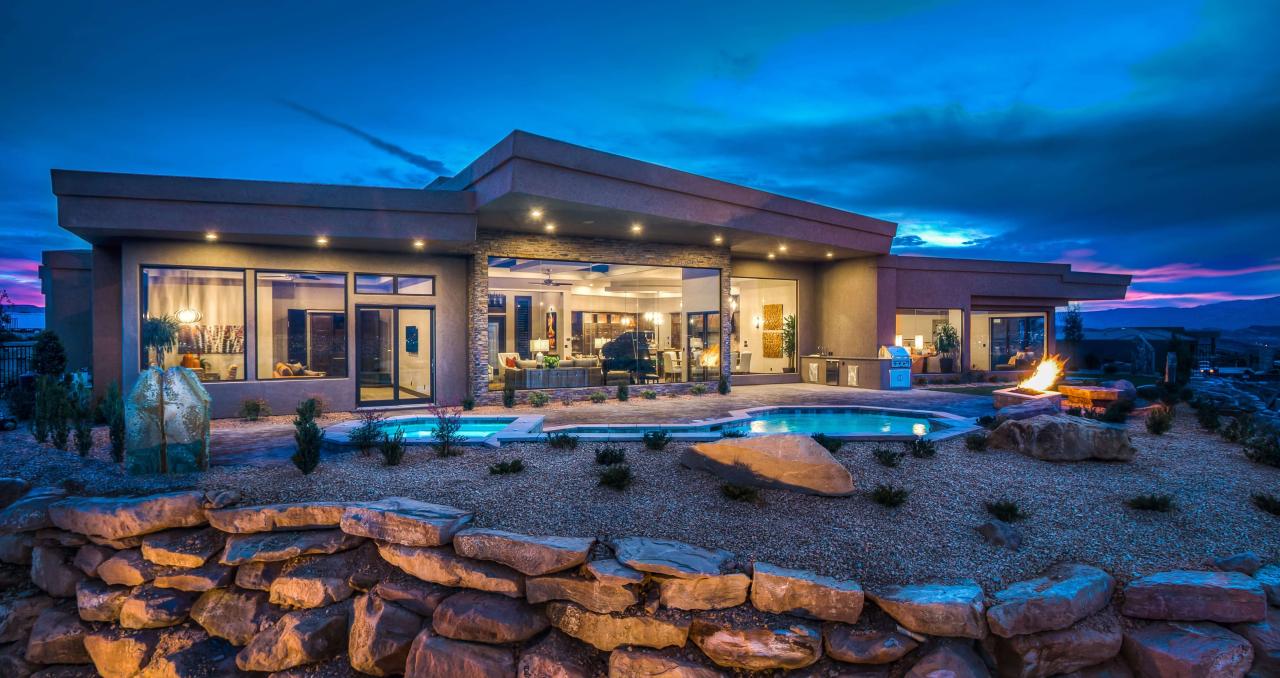
Pricing luxury real estate requires a nuanced approach, blending traditional appraisal methods with an understanding of unique value propositions and market psychology.
A. Beyond Simple Comparables:
- Limited Comps: Truly unique luxury properties often have few direct comparables. Appraisers and agents must look at a broader range of qualitative factors.
- “Value in Use” vs. “Value in Exchange”: Consider not just what similar properties sold for, but the lifestyle value and unique benefits a specific property offers to a particular buyer.
B. The “Perception of Value” Premium:
- Rarity and Uniqueness: Properties with exceptional views, historical significance, or bespoke features can command a premium beyond a pure square footage calculation.
- Brand Association: Homes by renowned architects or those in branded luxury developments (e.g., Four Seasons Residences) carry an inherent premium.
C. Strategic Overpricing (with Caution):
- While typically discouraged in the general market, a slight overprice in luxury can sometimes be tested if the property offers truly unique features or the market is highly exclusive. However, significant overpricing leads to stagnation.
D. Understanding the “Price Ceiling”:
- Research the highest prices achieved for similar properties in the area. While a record-breaking sale is possible, a realistic understanding of the market’s limits is crucial.
E. Concessions and Terms:
- Luxury negotiations often involve more than just price. Buyers may seek concessions related to furnishings, artwork, or even deferred closing dates for tax purposes.
- Sellers might prioritize discretion or a quick, all-cash closing over the absolute highest offer.
F. The Cost of Holding:
- High-value properties come with significant holding costs (taxes, insurance, maintenance, staff). Sellers must factor these into their pricing strategy and potential willingness to negotiate.
Navigating Legalities and Due Diligence
Luxury transactions often involve complex legal and financial structures, requiring meticulous due diligence.
A. Complex Ownership Structures:
- Luxury properties may be held in trusts, LLCs, or other corporate entities for privacy, tax benefits, or estate planning. Understanding these structures is vital.
B. International Law and Tax Implications:
- For international buyers and sellers, navigating cross-border tax laws (e.g., capital gains tax, inheritance tax, foreign ownership restrictions) and currency fluctuations is critical. Expert legal and financial counsel is essential.
C. Non-Disclosure Agreements (NDAs):
- To protect privacy, NDAs are common for viewings and preliminary discussions, especially for celebrity-owned properties or off-market listings.
D. Thorough Due Diligence Beyond Standard Inspections:
- Environmental Reports: More detailed environmental assessments may be required.
- Geological Surveys: Especially for properties with unique terrain.
- Architectural and Engineering Reviews: Detailed assessments of complex structures.
- Title Insurance and Surveys: Comprehensive checks for easements, encroachments, or historical issues.
- Staff and Service Contracts: For properties with existing staff (e.g., caretakers, gardeners), understanding their contracts is important.
E. Confidentiality Agreements for Agents and Staff:
- Agents working with luxury clients often sign their own confidentiality agreements.
F. Financial Verification of Buyers:
- Sellers, especially for off-market properties, may request proof of funds or pre-approval from private banks to ensure the buyer’s financial capability before revealing sensitive property details.
Building a Network and Personal Brand in Luxury Real Estate
Success in the luxury real estate market hinges on relationships and reputation.
A. Specialized Training and Certifications:
- Pursue luxury real estate designations (e.g., Certified Luxury Home Marketing Specialist – CLHMS) to gain specialized knowledge and enhance credibility.
B. Networking with Affluent Circles:
- Attend high-end charity events, art gallery openings, exclusive club functions, and luxury industry conferences. Build genuine relationships, not just transactional ones.
- Collaborate with professionals who cater to HNWIs: private bankers, wealth managers, yacht brokers, art dealers, and luxury car dealers.
C. Cultivate an Online Presence that Reflects Luxury:
- Your personal brand and online profiles (website, social media) must exude professionalism, sophistication, and a deep understanding of the luxury market.
- Share curated content relevant to the affluent lifestyle.
D. Master Discretion and Confidentiality:
- This cannot be overstated. A breach of trust will instantly end a career in luxury real estate.
E. Provide Unparalleled Service:
- Go above and beyond. Offer concierge services, anticipate needs, and handle every detail flawlessly. The service itself becomes part of your value proposition.
F. Long-Term Relationship Building:
- Luxury transactions can take time. Focus on building enduring relationships based on trust, expertise, and results. A satisfied luxury client is a powerful source of referrals.
Future Trends in Luxury Real Estate
The luxury market is always evolving, driven by innovation, global shifts, and changing lifestyle preferences.
A. Sustainability and Wellness Integration:
- Growing demand for eco-friendly features, passive house designs, advanced air filtration, and dedicated wellness spaces (e.g., meditation rooms, in-home gyms with specialized equipment).
B. Technology and Hyper-Connectivity:
- More sophisticated smart home systems, integrated security, high-speed connectivity for remote work, and advanced entertainment systems.
C. Privacy and Seclusion Post-Pandemic:
- Continued demand for properties that offer ample private space, both indoors and outdoors, and a sense of retreat from urban density.
D. Global Mobility and Second Passports:
- Luxury buyers increasingly seek properties that offer pathways to residency or citizenship in different countries, influencing investment decisions.
E. Branded Residences Growth:
- More luxury hotel brands and fashion houses are entering the residential market, offering branded living experiences with hotel-level services.
F. Experiential Amenities Evolution:
- Unique amenities like private vineyards, equestrian facilities, personal art galleries, professional recording studios, or private sports courts.
Conclusion
The realm of luxury real estate offers immense opportunities for those equipped with specialized knowledge and a refined approach. It demands a keen understanding of the discerning buyer, a commitment to unparalleled service, and sophisticated marketing strategies that resonate with exclusivity and lifestyle. By applying these comprehensive luxury real estate insights, professionals and investors alike can effectively navigate this elite market, secure exceptional property deals, and forge lasting success at the pinnacle of the real estate world.