
Negotiating the best property deals is a critical skill for both buyers and sellers in the real estate market. It’s not just about haggling over price; it’s a strategic dance involving understanding market dynamics, human psychology, and the nuances of contractual terms. Whether you’re aiming to secure your dream home at an advantageous price or sell your property for maximum profit, mastering negotiation can significantly impact your financial outcome. This comprehensive guide will equip you with the insights and tactics needed to navigate complex real estate negotiations successfully, ensuring you get the best price every time.
The Core of the Negotiation Landscape

Before you even step into a negotiation, it’s essential to grasp the various elements that influence it. Every property deal is unique, shaped by market conditions, the parties involved, and their respective motivations.
A. Market Conditions Dictate Leverage:
- Buyer’s Market: When there’s an abundance of homes for sale and fewer buyers, buyers hold more power. This allows for lower offers, more contingencies, and greater room for negotiation on repairs or closing costs.
- Seller’s Market: Characterized by low inventory and high demand, sellers have the upper hand. They can often command asking price or even above, with fewer contingencies and faster closings. Buyers need to be more aggressive and decisive.
- Balanced Market: Supply and demand are relatively equal, leading to more moderate negotiations where both parties have some leverage. Understanding this balance is key to tailoring your approach.
B. Psychology of the Deal:
- Motivation is Key: What drives the other party? Is the seller in a hurry to move? Is the buyer pre-approved and desperate to close? Uncovering their motivation can give you a significant advantage.
- Emotional vs. Rational: Real estate is often highly emotional. Successful negotiators remain rational, focusing on facts and figures, while also acknowledging the other party’s emotions without letting them dictate the terms.
- Patience Pays: Rushing a negotiation often leads to concessions you might later regret. Patience allows you to observe, strategize, and wait for opportune moments.
C. The Role of Real Estate Agents:
- Your Advocate: A good real estate agent is your primary negotiator. They provide market data, offer strategic advice, handle communication, and protect your interests.
- Experience Matters: An experienced agent has likely encountered various negotiation scenarios and can anticipate challenges, offering invaluable guidance.
- Communication Conduit: Agents act as a buffer, preventing direct emotional confrontations between buyer and seller, which can derail a deal.
D. Understanding Property Value:
- Beyond the Asking Price: Never assume the asking price is the final price. Conduct thorough research to understand the property’s true market value based on comparable sales (comps) in the area.
- Professional Appraisal: For buyers, an appraisal is crucial. It provides an objective assessment of the property’s value, which can be a strong negotiation point if it comes in lower than the agreed-upon price.
Crafting a Winning Offer
As a buyer, your initial offer sets the tone for the entire negotiation. A well-crafted offer is about more than just the price; it’s about presenting yourself as a serious, reliable buyer.
A. Do Your Homework:
- Pre-Approval, Not Just Pre-Qualification: Get a full loan pre-approval before making an offer. This shows sellers you’re a serious buyer with verified funds, giving them confidence in your ability to close.
- Market Comps: Armed with recent comparable sales data, you can justify your offer price. If you offer below asking, explain why based on market data or property condition.
- Property Condition Assessment: Know the property’s condition. A thorough pre-offer inspection (if possible) or a clear understanding of potential issues can inform your offer price and repair requests.
B. The Offer Price: Balancing Aggression and Realism:
- Starting Point, Not Final Price: Your initial offer should leave room for negotiation, but not be so low that it insults the seller. A common strategy is to offer slightly below what you’re willing to pay, especially in a buyer’s market.
- Emotional Connection: If you love the home, you might need to be more aggressive with your offer, especially in a competitive market.
- Consider “As-Is” Properties: If a property is listed “as-is,” it generally means the seller won’t do repairs. Factor this into your offer price.
C. Strategic Contingencies:
- Financing Contingency: Protects you if your loan doesn’t go through. Standard, but can be waived in very competitive markets if you’re a cash buyer.
- Inspection Contingency: Allows you to conduct a professional home inspection and request repairs or a price reduction based on findings. Crucial for protecting your investment.
- Appraisal Contingency: Ensures you’re not overpaying relative to the appraised value. If the appraisal comes in low, you can renegotiate or walk away.
- Sale of Your Current Home Contingency: Protects you if you need to sell your current home to finance the new one. This is often less appealing to sellers, especially in a seller’s market. Use it only when necessary.
D. The Escalation Clause (in Competitive Markets):
- This clause states you’ll automatically increase your offer by a certain amount (e.g., $1,000) above any higher competing offer, up to a maximum price. It can be effective but reveals your top price.
E. Sweetening the Deal (Beyond Price):
- Flexible Closing Date: If the seller has a preferred closing date (e.g., needing to close quickly, or needing extra time to find their next home), accommodating it can make your offer more attractive.
- Higher Earnest Money Deposit: A larger earnest money deposit signals your seriousness to the seller.
- Fewer Contingencies (Use with Caution): In a hot market, waiving non-essential contingencies (e.g., appraisal, if you’re comfortable with the risk) can make your offer stand out. Never waive inspection.
- Personal Letter to Seller: A well-written, sincere letter expressing your love for the home and why you want to live there can sometimes sway a seller, especially if there’s an emotional attachment to the property.
Mastering the Counter-Offer
As a seller, your goal is to maximize your profit while minimizing the time on the market. Effective negotiation means knowing when to hold firm and when to concede.
A. Strategic Pricing from the Start:
- Competitive Pricing: An overpriced home will sit, requiring price reductions that can signal desperation. Price competitively from day one to attract maximum interest.
- Understand Your “Walk-Away” Price: Before you list, determine the absolute lowest price you’re willing to accept. This helps you make rational decisions during negotiation.
B. Reviewing Offers Thoroughly:
- Beyond the Number: Don’t just look at the offer price. Evaluate the entire package:
- Contingencies: Fewer contingencies are better. An offer with an “all-cash, no financing contingency” buyer is often preferred, even if the price is slightly lower.
- Buyer’s Financial Strength: Is the buyer pre-approved? Do they have a substantial earnest money deposit?
- Closing Date: Does it align with your timeline?
- Buyer’s Agent Reputation: A reputable buyer’s agent can signal a smoother transaction.
C. Crafting the Counter-Offer:
- Anchor High (but Reasonably): Your first counter-offer should be higher than your ultimate target, leaving room for the buyer to negotiate down.
- Address All Terms: Don’t just counter on price. Counter on contingencies, closing date, inclusions/exclusions, or repair requests if they’re unfavorable.
- Justify Your Position: If countering significantly, provide a brief, factual justification (e.g., “Given recent comps, our price is firm at X,” or “The home is priced to reflect its ‘as-is’ condition”).
- Set Expiration Dates: All offers and counter-offers should have a clear expiration date and time to create a sense of urgency and avoid endless back-and-forth.
D. Handling Inspection Demands:
- Be Prepared: Buyers will request an inspection. Anticipate what might come up by getting your own pre-listing inspection.
- Prioritize Repairs: Focus on legitimate safety or structural issues. Cosmetic repairs are less likely to be negotiated.
- Offer Credits Instead of Repairs: Sometimes, offering a closing cost credit is easier than coordinating repairs yourself.
- Say No (Strategically): You’re not obligated to fix everything. If demands are excessive, you can decline or counter with a more reasonable offer.
E. Multiple Offer Scenarios:
- Set a Deadline: If you receive multiple offers, inform all interested parties and set a deadline for “best and final” offers.
- Leverage the Competition: You can use multiple offers to drive up the price and secure more favorable terms (e.g., fewer contingencies).
- Beware of “Buyer Fatigue”: While competing offers are great, don’t drag out the process excessively, as buyers might withdraw due to frustration.
F. Negotiating After Appraisal:
- If the appraisal comes in below the contract price, the buyer’s lender won’t finance the difference. You’ll then need to renegotiate the price, ask the buyer to bring more cash, or meet somewhere in the middle. Be prepared for this possibility.
Advanced Negotiation Tactics for Both Parties
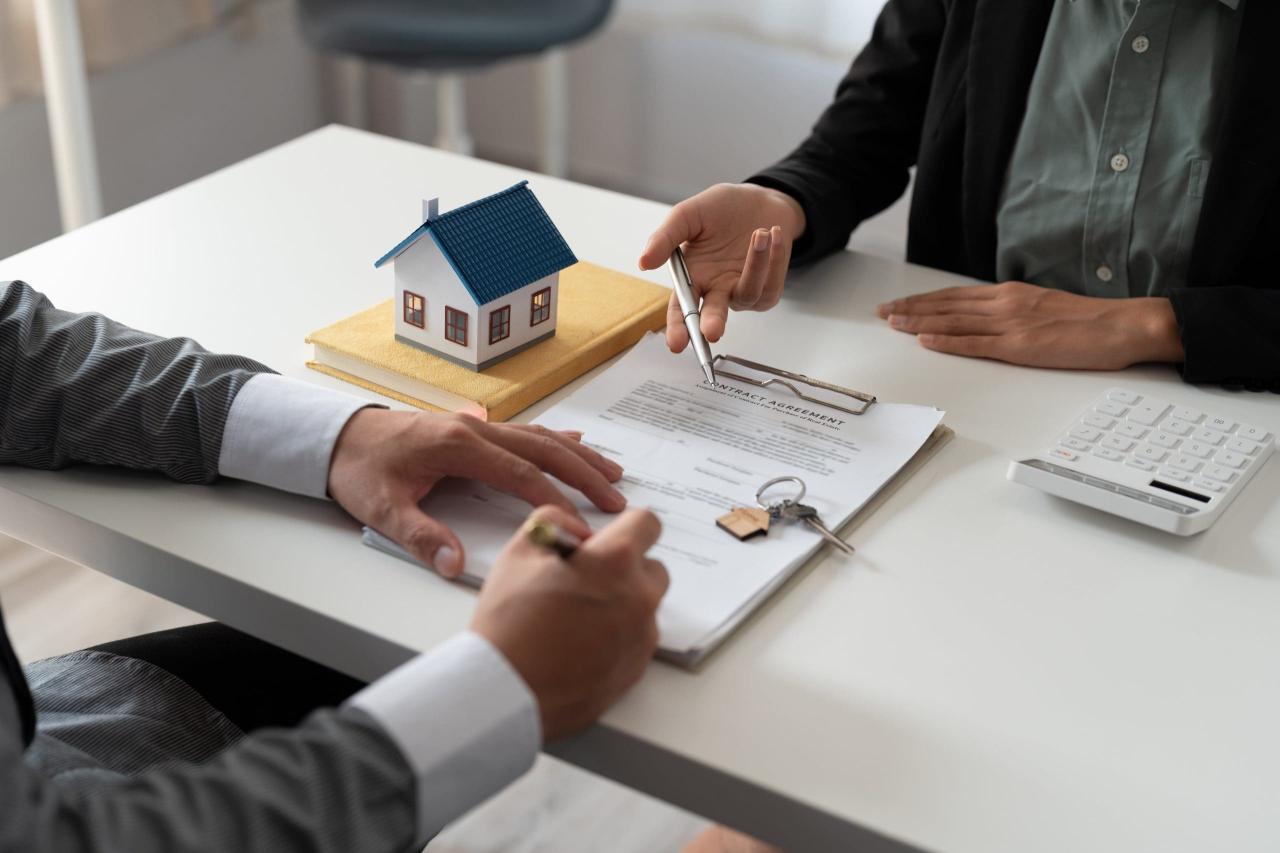
Beyond the basics, certain advanced tactics can give you an edge in complex property deals.
A. The Power of Silence:
- After making an offer or counter-offer, resist the urge to fill the silence. Let the other party respond. Sometimes, just waiting can pressure them into making a concession.
B. Anchoring:
- The first number mentioned in a negotiation (the “anchor”) often heavily influences the final outcome. As a buyer, your initial offer anchors the low end; as a seller, your listing price anchors the high end.
C. Concessions and Trade-offs:
- Don’t give something for nothing. If you make a concession on price, ask for something in return (e.g., fewer contingencies, a faster closing, waiving a repair request).
- Identify what’s most important to the other side and what’s least important to you. Trade your less valuable items for their more valuable ones.
D. Good Cop/Bad Cop (through Agents):
- Your agent can sometimes play the “bad cop” (e.g., “My clients are really firm on this…”) while you remain the reasonable “good cop.” This creates a dynamic that can lead to compromise.
E. Walking Away (The Ultimate Leverage):
- Knowing when to walk away from a deal is crucial. If the terms are unfavorable, the other party is unreasonable, or the property has too many issues, be prepared to end negotiations. This leverage can sometimes bring the other party back to the table with better terms.
F. Focus on the “Win-Win” (Collaborative Negotiation):
- While you want the best deal, try to find solutions that satisfy both parties’ core needs. A truly collaborative negotiation often leads to a smoother transaction and avoids post-closing issues. Frame solutions that address their concerns while still meeting your goals.
G. Documentation is Key:
- Ensure all offers, counter-offers, amendments, and agreements are in writing and signed by all parties. Verbal agreements in real estate are rarely legally binding.
Post-Acceptance Negotiations
Negotiations don’t always end once an offer is accepted. Issues can arise during inspection, appraisal, or financing.
A. Home Inspection Response:
- Buyer: Prioritize health, safety, and structural issues. Don’t nitpick minor cosmetic flaws. Present a concise list of legitimate concerns, ideally with repair estimates.
- Seller: Review requests carefully. Offer to fix critical items, provide credits for others, or explain why certain repairs won’t be made. Flexibility here can save the deal.
B. Appraisal Issues:
- Buyer: If the appraisal is low, your lender won’t finance the difference. You can try to renegotiate the price, ask the seller for a credit, or bring more cash to the table.
- Seller: Be prepared to lower the price to meet the appraisal, or offer a credit, especially if a new buyer would likely face the same appraisal issue. Sometimes, contesting the appraisal with comparable data is an option.
C. Lender Delays and Issues:
- Both parties need to communicate openly with lenders to prevent delays. Buyers should be proactive in providing all requested documentation. Sellers should be patient but firm about closing deadlines.
D. Final Walkthrough:
- Buyer: This is your last chance to ensure the property is in the agreed-upon condition. Check for any new damage or if agreed-upon repairs have been completed.
- Seller: Ensure the home is clean, empty (unless otherwise agreed), and all personal belongings are removed.
Legal and Ethical Considerations
Successful negotiation also means operating within legal and ethical boundaries.
A. Fair Housing Laws:
- All negotiations must comply with fair housing laws, meaning no discrimination based on protected characteristics.
B. Disclosure Requirements:
- Sellers have a legal obligation to disclose known material defects of the property. Failing to do so can lead to legal action after the sale. Honesty builds trust.
C. Ethical Practices:
- While you want the best deal, avoid deceptive or misleading practices. Building a reputation for honesty and integrity can lead to smoother transactions.
D. Contractual Obligations:
- Once an offer is accepted and contingencies are met, both parties are legally bound by the contract. Understand the terms and conditions thoroughly.
Conclusion
Mastering the art of negotiating property deals is an ongoing process of learning, adapting, and refining your approach. It’s about combining diligent research, strategic communication, and a clear understanding of your own goals and the motivations of the other party. Whether you’re a first-time buyer or a seasoned investor, employing these tactics will significantly enhance your ability to get the best price and ensure successful, profitable real estate transactions. Remember, every negotiation is an opportunity to achieve your objectives.