In an era of increasing environmental consciousness and rising utility costs, choosing sustainable property isn’t just a trend; it’s a smart, long-term investment. Eco-friendly homes offer numerous benefits, from reduced energy consumption and lower utility bills to improved indoor air quality and a smaller carbon footprint. For homeowners, developers, and investors alike, understanding the nuances of eco-friendly home decisions is crucial for building a resilient, cost-effective, and environmentally responsible portfolio. This comprehensive guide will explore the multifaceted aspects of sustainable property, offering actionable insights to help you build, buy, or renovate homes that are kind to both the planet and your pocket.
The Core Principles of Sustainable Property
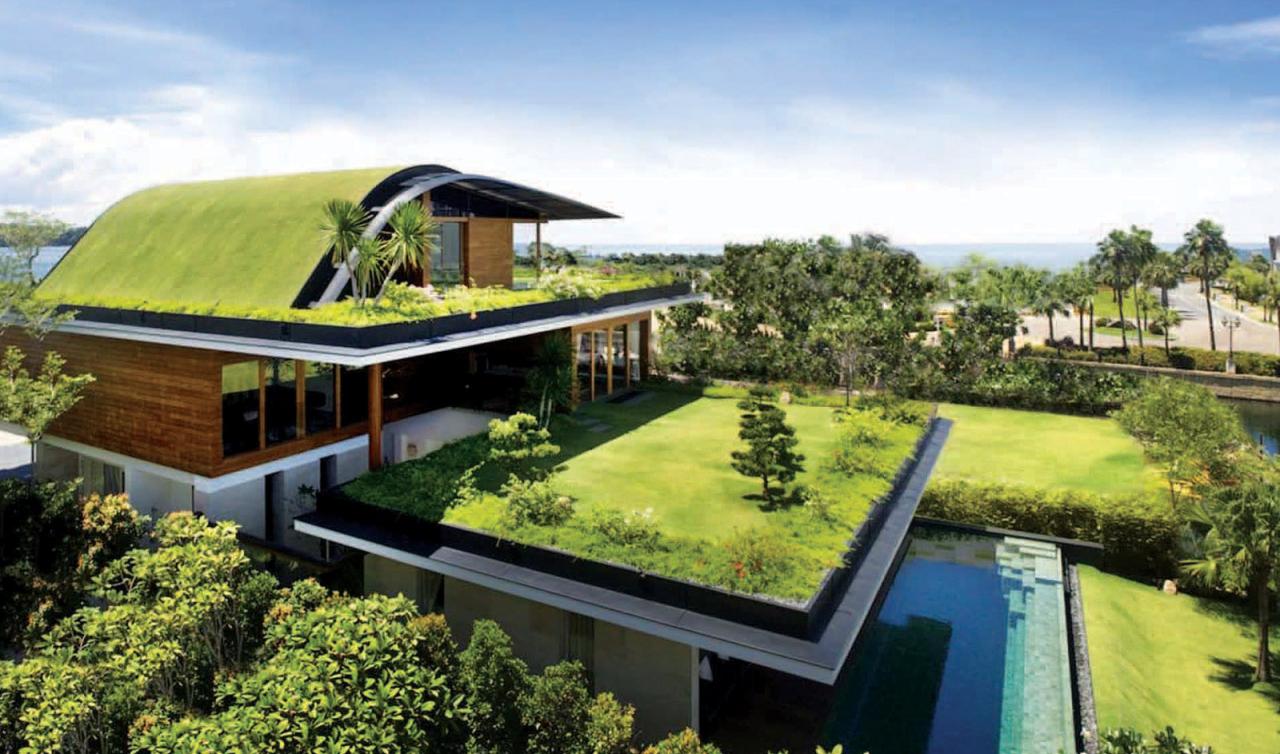
At its heart, sustainable property aims to minimize negative environmental impacts while maximizing resource efficiency and occupant well-being throughout a building’s lifecycle.
A. Energy Efficiency:
- This is perhaps the most recognized pillar. It involves reducing the energy needed for heating, cooling, lighting, and appliances.
- Strategies include superior insulation, high-performance windows, energy-efficient HVAC systems, and renewable energy sources.
B. Water Conservation:
- Minimizing water usage both indoors and outdoors.
- Techniques range from low-flow fixtures and efficient irrigation systems to rainwater harvesting and greywater recycling.
C. Material Selection and Resource Efficiency:
- Choosing materials that are recycled, renewable, locally sourced, non-toxic, and durable.
- Reducing construction waste and promoting responsible waste management during and after construction.
D. Indoor Environmental Quality (IEQ):
- Creating healthy and comfortable indoor spaces.
- Focuses on good ventilation, natural light, reduced volatile organic compounds (VOCs) from building materials, and effective humidity control.
E. Site Selection and Land Use:
- Developing on previously disturbed sites, minimizing impact on natural habitats, promoting walkability and access to public transportation, and integrating green spaces.
F. Resilience and Durability:
- Designing and building properties that can withstand environmental stresses (e.g., extreme weather, climate change impacts) and have a long lifespan, reducing the need for frequent replacement or major repairs.
Eco-Conscious Construction
Whether constructing a new home or renovating an existing one, thoughtful choices in design and materials can dramatically enhance a property’s sustainability.
A. Smart Architectural Design:
- Passive Solar Design: Orienting a home to maximize natural light and heat gain in winter, and minimize it in summer, reducing reliance on artificial heating/cooling.
- Natural Ventilation: Designing for cross-ventilation and stack effect to minimize the need for air conditioning.
- Optimized Building Envelope: A highly insulated, airtight building envelope minimizes energy loss and gain, keeping indoor temperatures stable. This includes walls, roof, and foundation.
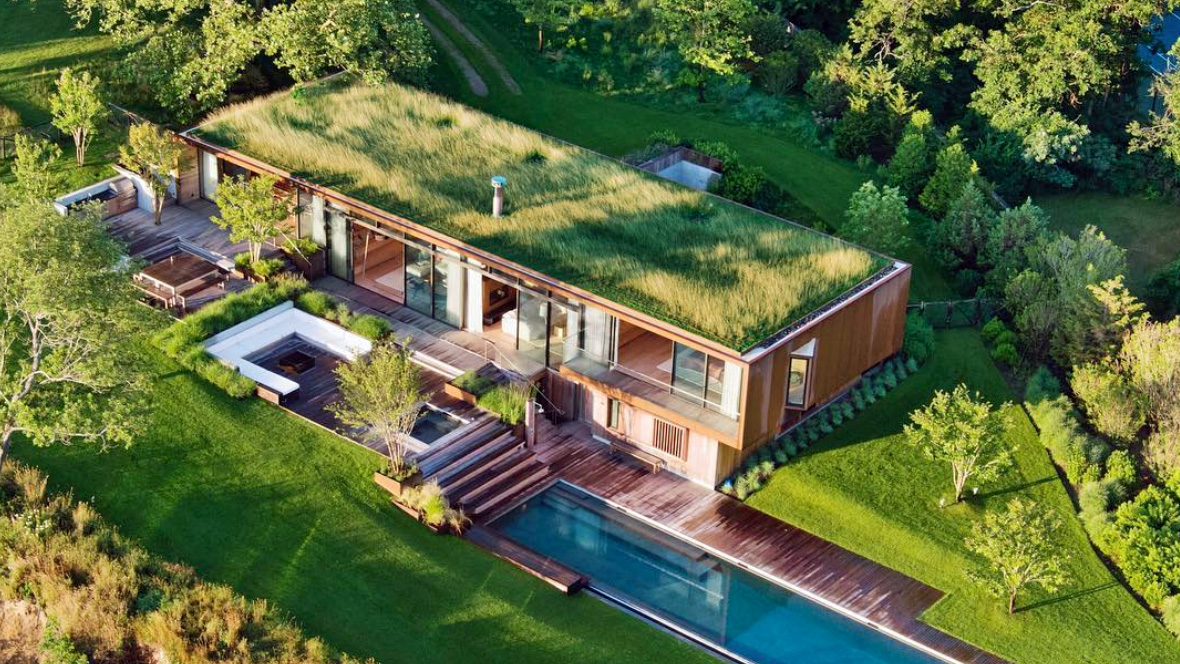
- Green Roofs: These can reduce stormwater runoff, insulate the building, extend roof life, and even support biodiversity.
B. High-Performance Windows and Doors:
- Double or Triple Glazing: Reduces heat transfer significantly.
- Low-Emissivity (Low-E) Coatings: Reflect heat, keeping interiors cooler in summer and warmer in winter.
- Thermal Breaks: Minimize heat transfer through window frames.
- Proper Sealing: Ensures no drafts or air leaks.
C. Advanced HVAC Systems:
- Geothermal Heat Pumps: Highly efficient systems that use the stable temperature of the earth to provide heating and cooling.
- High-Efficiency Furnaces/AC Units (SEER/AFUE Ratings): Look for high Seasonal Energy Efficiency Ratio (SEER) for AC and Annual Fuel Utilization Efficiency (AFUE) for furnaces.
- Zoned Heating and Cooling: Allows for different temperature control in various parts of the house, preventing energy waste in unused areas.
- Energy Recovery Ventilators (ERVs) / Heat Recovery Ventilators (HRVs): Bring in fresh air while recovering energy from outgoing stale air, improving IEQ without significant energy loss.
D. Renewable Energy Integration:
- Solar Panels (Photovoltaic – PV): The most common form of residential renewable energy, generating electricity. Consider battery storage to maximize self-sufficiency.
- Solar Water Heaters: Use solar energy to heat water, significantly reducing energy consumption for hot water.
- Wind Turbines (Site-Specific): While less common for residential, small-scale wind turbines can be viable in windy locations.
E. Sustainable Material Selection:
- Recycled Content: Materials made from recycled plastics, glass, or metals (e.g., recycled steel framing, recycled content insulation).
- Rapidly Renewable Resources: Materials from plants that regenerate quickly (e.g., bamboo flooring, cork, straw bales).
- Locally Sourced: Reduces transportation energy and supports local economies.
- Low VOCs: Paints, adhesives, sealants, and flooring with low or no volatile organic compounds to improve indoor air quality and prevent off-gassing.
- Durable and Long-Lasting: Materials that resist wear and tear, reducing the need for frequent replacement.
- Reclaimed/Salvaged Materials: Reusing materials from demolition projects (e.g., reclaimed wood, bricks) reduces waste and adds character.
F. Water-Saving Fixtures and Appliances:
- Low-Flow Toilets: Dual-flush or low-flush models significantly reduce water usage.
- Low-Flow Showerheads and Faucets: Maintain good water pressure while using less water.
- Energy-Efficient Appliances (ENERGY STAR® Rated): Dishwashers, washing machines, refrigerators, and ovens that consume less energy and water.
G. Advanced Insulation:
- Use high R-value insulation in walls, attics, and floors (e.g., spray foam, cellulose, mineral wool). An adequately insulated home maintains comfortable temperatures with less energy.
H. Waste Reduction:
- Implement a construction waste management plan to sort and recycle debris (e.g., wood, metal, drywall) rather than sending it to landfills.
Smart Water Management
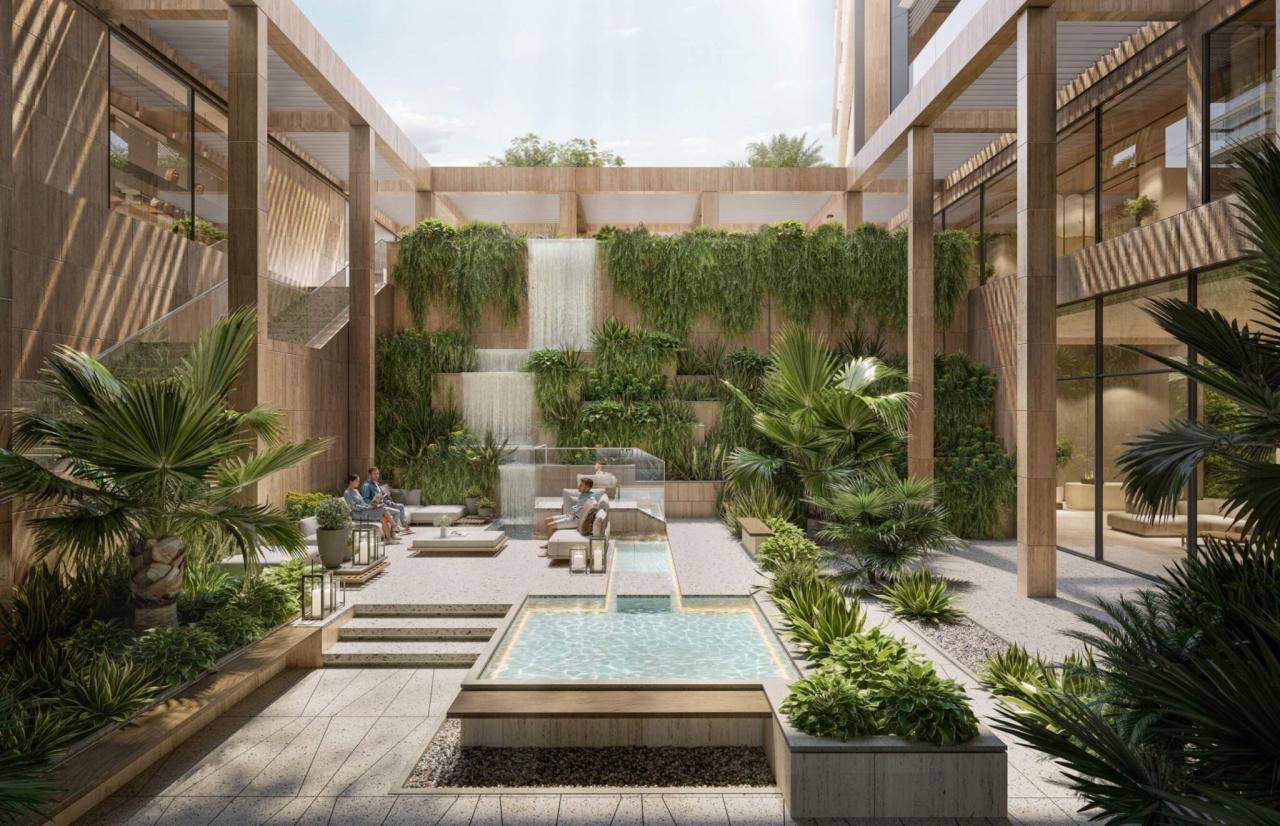
Water scarcity is a growing concern globally. Sustainable properties incorporate intelligent systems to conserve this precious resource.
A. Rainwater Harvesting:
- Collecting rainwater from rooftops into cisterns or barrels for non-potable uses like irrigation, toilet flushing, or laundry.
B. Greywater Recycling Systems:
- Treating and reusing water from sinks, showers, and laundry for irrigation or toilet flushing. This requires careful planning and compliance with local regulations.
C. Drought-Tolerant Landscaping (Xeriscaping):
- Using native or drought-resistant plants that require minimal irrigation.
- Utilizing mulch to retain soil moisture and suppress weeds.
D. Efficient Irrigation Systems:
- Drip Irrigation: Delivers water directly to plant roots, minimizing evaporation.
- Smart Controllers: Use weather data to adjust watering schedules, preventing overwatering.
E. Permeable Paving:
- Using materials like permeable pavers for driveways and walkways allows rainwater to infiltrate the ground, reducing runoff and replenishing groundwater.
Enhancing Indoor Environmental Quality (IEQ)
A truly sustainable home isn’t just good for the planet; it’s good for the people living in it. IEQ focuses on creating safe, comfortable, and healthy indoor spaces.
A. Optimized Ventilation:
- Mechanical Ventilation: Systems that bring in fresh outdoor air and exhaust stale indoor air, controlling humidity and reducing pollutants.
- Natural Ventilation: Maximizing operable windows and strategic home design to allow natural airflow.
B. Low-VOC Materials and Finishes:
- Choosing paints, adhesives, flooring, and furniture that emit minimal volatile organic compounds, which can negatively impact respiratory health. Look for certifications like GREENGUARD.
C. Effective Moisture Control:
- Preventing mold and mildew growth through proper insulation, ventilation, and moisture barriers in walls and foundations. Dehumidifiers can also play a role in humid climates.
D. Abundant Natural Light (Daylighting):
- Designing with large windows, skylights, and light tubes to reduce reliance on artificial lighting, improving mood and energy levels.
E. Air Filtration Systems:
- High-efficiency air filters in HVAC systems can remove allergens, dust, and pollutants, benefiting occupants with allergies or respiratory sensitivities.
F. Pest Management:
- Integrated Pest Management (IPM) strategies that minimize pesticide use by focusing on prevention and natural controls.
Landscaping and Site Management for Sustainability
The outdoor environment of a property plays a significant role in its overall sustainability.
A. Native Plant Landscaping:
- Using plants indigenous to the local region. They are adapted to the climate, require less water, fertilizer, and pesticides, and support local wildlife.
B. Composting:
- Creating a compost pile for kitchen scraps and yard waste reduces landfill waste and provides nutrient-rich soil for gardening.
C. Rain Gardens and Bioswales:
- Depressions in the landscape designed to capture and filter stormwater runoff, preventing pollution and recharging groundwater.
D. Minimizing Hardscaping:
- Reducing impermeable surfaces like large concrete patios or driveways to allow for better water absorption into the ground.
E. Tree Planting:
- Strategically planting trees for shade in summer (reducing cooling loads) and to act as windbreaks in winter (reducing heating loads). Trees also improve air quality and support biodiversity.
F. Edible Gardens:
- Incorporating space for growing fruits, vegetables, and herbs reduces reliance on commercially produced food and promotes a healthier lifestyle.
The Financial Benefits of Sustainable Property
Beyond the environmental advantages, there are tangible economic incentives for choosing or investing in sustainable property.
A. Lower Utility Bills:
- This is the most immediate and tangible benefit. Energy-efficient features can lead to significant monthly savings on electricity, gas, and water.
B. Increased Property Value (Green Premiums):
- Studies often show that green-certified homes sell for a premium and spend less time on the market. Buyers are increasingly willing to pay more for homes with lower operating costs and a smaller environmental footprint.
C. Eligibility for Incentives and Rebates:
- Many governments (local, state, federal) offer tax credits, grants, or rebates for homeowners who install renewable energy systems, energy-efficient appliances, or make certain green upgrades.
- Some lenders offer “green mortgages” with more favorable terms for energy-efficient homes.
D. Improved Resale Value and Marketability:
- As environmental awareness grows, sustainable features become more desirable to a broader range of buyers, increasing demand and future resale value.
E. Lower Maintenance Costs:
- Durable, high-quality sustainable materials often last longer and require less frequent maintenance or replacement.
F. Protection Against Rising Energy Costs:
- Homes with renewable energy or superior energy efficiency are less vulnerable to fluctuations in energy prices.
G. Enhanced Health and Productivity:
- Improved indoor air quality and thermal comfort can lead to fewer health issues, potentially reducing healthcare costs and improving overall well-being for occupants.
Certifications and Standards in Sustainable Property
For those serious about building or buying truly eco-friendly homes, various certification programs provide verifiable benchmarks.
A. LEED (Leadership in Energy and Environmental Design):
- One of the most widely recognized green building rating systems globally. It offers different certification levels (Certified, Silver, Gold, Platinum) for various building types, including homes.
B. ENERGY STAR®:
- A joint program of the U.S. Environmental Protection Agency (EPA) and U.S. Department of Energy (DOE) that identifies energy-efficient products, homes, and buildings. Homes with an ENERGY STAR label are independently verified to be more energy-efficient.
C. Passive House (Passivhaus):
- A rigorous international standard for energy efficiency that results in ultra-low energy buildings requiring little energy for space heating or cooling. It emphasizes airtightness, superior insulation, and heat recovery ventilation.
D. WELL Building Standard:
- Focuses specifically on human health and well-being in the built environment, addressing factors like air, water, nourishment, light, fitness, comfort, and mind.
E. Living Building Challenge:
- Considered the most stringent performance standard for buildings. Projects must meet a series of ambitious performance requirements over a minimum of 12 months of occupancy, including being net-zero energy and water.
F. Local Green Building Programs:
- Many cities and regions have their own green building programs or certifications tailored to local climate and regulations. Research what’s available in your area.
Challenges and Considerations for Sustainable Property
While the benefits are numerous, there are also challenges to navigate in the realm of sustainable property.
A. Higher Upfront Costs:
- Some sustainable technologies and materials (e.g., solar panels, geothermal systems, high-performance windows) can have higher initial costs compared to conventional options. However, these often pay for themselves over time through energy savings.
B. Finding Qualified Professionals:
- It can be challenging to find architects, builders, and contractors with expertise and experience in sustainable construction practices. Look for certifications and a proven track record.
C. Regulatory Hurdles:
- Local zoning laws, building codes, and homeowner association (HOA) rules may sometimes present obstacles to implementing certain sustainable features (e.g., solar panels, rainwater harvesting systems).
D. Education and Awareness:
- While growing, general awareness about the long-term benefits of sustainable homes still needs to increase among some buyers and sellers.
E. Maintenance of Complex Systems:
- Some advanced sustainable systems (e.g., greywater recycling) may require specialized maintenance or understanding.
F. Market Valuation Challenges:
- Appraisers are sometimes less familiar with valuing green features, which can occasionally lead to homes not being fully valued for their sustainable elements. This is changing as the market matures.
Conclusion
Embracing sustainable property is a powerful step towards a more responsible and economically sound future. By making informed, eco-friendly home decisions in every phase – from planning and construction to daily living – you can create a healthier environment, reduce your financial burden, and invest in properties that are truly built to last. The market for green homes is expanding rapidly, recognizing that what’s good for the planet is undeniably good for people and profits.